Technical mechanism
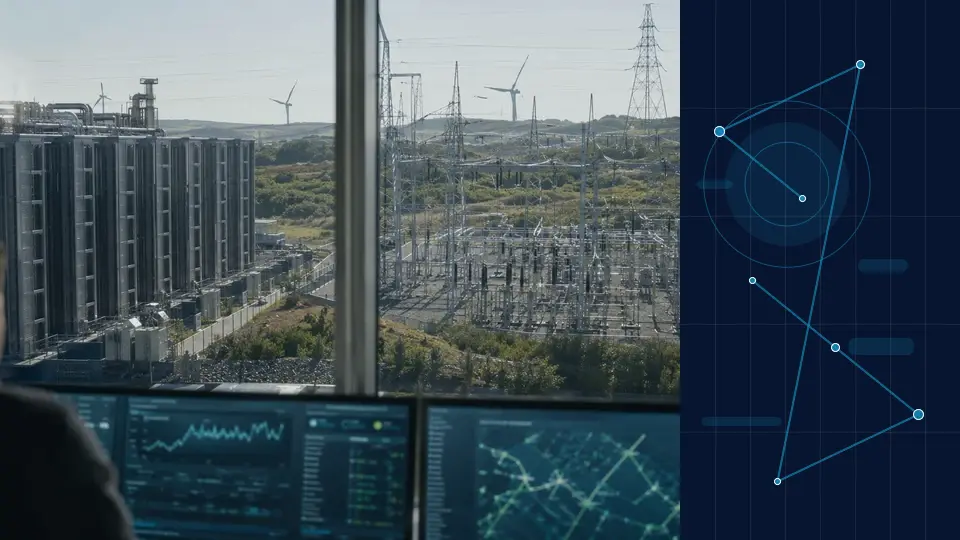
Power delivery, thermal sensing, air or liquid cooling and workload scheduling coordinate facility and IT systems to keep dense AI infrastructure within safe operating limits.

Technology topic profile
Definition & scope
AI depends on processors, memory, networks, data centres, energy and cooling. We study how these layers can become more efficient, resilient, accessible and suitable for different jurisdictions.
FUURAA examines “Data centres, cooling and energy systems” through its technical mechanism, deployment infrastructure, evidence requirements and public-interest consequences. This profile separates what can be demonstrated from what still requires field validation.
This is a technology and opportunity profile. It does not announce a current FUURAA product, ownership position, partnership, investment or transaction.
System map
Technical capability, enabling infrastructure, evidence and governance must be considered together.
Power delivery, thermal sensing, air or liquid cooling and workload scheduling coordinate facility and IT systems to keep dense AI infrastructure within safe operating limits.
Cluster topology, workload scheduling, power, cooling, network design, supply chains and operating resilience determine delivered capacity and total cost.
Facility evidence should combine full-load thermal stability, cooling resilience, IT efficiency, water and energy accounting, maintenance recovery and grid-response behaviour.
Rising heat density can create local grid and water pressure, single points of failure and rebound effects in which efficiency gains encourage greater total consumption. System-wide governance also requires: Infrastructure choices also shape data location, export exposure, operational concentration, environmental impact and the ability to change suppliers.
Application contexts
Examine how “Data centres, cooling and energy systems” could create measurable value in “Training clusters”, which supporting systems are required and where human responsibility must remain explicit.
Application contextExamine how “Data centres, cooling and energy systems” could create measurable value in “Private AI”, which supporting systems are required and where human responsibility must remain explicit.
Application contextExamine how “Data centres, cooling and energy systems” could create measurable value in “Edge infrastructure”, which supporting systems are required and where human responsibility must remain explicit.
Selected evidence record
FUURAA summarises and analyses; original institutions retain ownership of their work and have not reviewed or endorsed this page.
Energy systems
FUURAA synthesisThe IEA analyses both electricity required by AI and the use of AI to improve energy operations. Costs and benefits therefore belong in the same system view rather than separate debates.
Responsible strategy should count consumption, resilience and optimisation together.
Diligence questions
A credible technology profile should make it easier to identify evidence, dependencies, boundaries and unanswered questions.
What evidence would distinguish a controlled demonstration of “Data centres, cooling and energy systems” from dependable operation?
Which technical dependency or operational bottleneck most constrains performance at scale?
Which failure or harm described in this profile should trigger suspension, escalation or human review?
Which cost, performance, safety or interoperability result would invalidate the current adoption thesis?
FUURAA outlook
Compute will become more heterogeneous and system-designed, with closer co-optimisation of silicon, memory, networking, cooling, software and local energy conditions. For “Data centres, cooling and energy systems”, credible progress should therefore be judged by verified outcomes, system resilience, responsible adoption and the ability to correct course—not by novelty alone.
This outlook is an editorial assessment, not a market forecast, investment recommendation or product timetable.What We Build