Product-backed work
Capabilities directly connected to a confirmed Public Beta product or an explicitly identified development programme.

FUURAA AI Technology & Industry Landscape
FUURAA looks across the full AI value chain—from models, agents and compute to robotics, science, industry and trusted public systems—to understand what the AI era will need and how those systems may reach the real world.
Select a system to filter the 12 build domains below. The wider page maps 30+ fields and applied technologies.
One broad mandate
FUURAA studies and helps build the systems the AI era will need. Some capabilities may be developed directly. Others may advance through research, joint development, technology integration, ecosystem support, investment or future strategic expansion.
Important distinction: this is a technology and opportunity landscape—not a catalogue of products already offered by FUURAA.
How FUURAA evaluates opportunity
The atlas is intentionally expansive. Participation is not automatic: each opportunity must earn its place through evidence, mission fit and a credible route to responsible execution.
Capabilities directly connected to a confirmed Public Beta product or an explicitly identified development programme.
Software, hardware or institutional capabilities that may strengthen FUURAA’s long-term infrastructure through development, integration or collaboration.
Important frontier areas monitored through research, standards, policy and industry evidence before any build or transaction decision.
These modes and criteria are a decision framework, not an announcement of ownership, investment, partnership, acquisition or delivery schedule.
AI Build Atlas
Explore a broad, connected landscape spanning AI compute, intelligence, physical systems, science, industry and human institutions. Each domain shows possible FUURAA pathways, not a claim of current ownership or delivery.
Viewing the full connected landscape · 12 fields
 Conceptual visual
We follow the full model stack—from efficient domain models to multimodal reasoning, simulation and model collaboration—and ask how capability can become useful, measurable and responsibly governed.
 Conceptual visual
Agent systems require more than a model. They need identity, memory, permissions, planning, observability and safe coordination with people, software and other agents.
 Conceptual visual
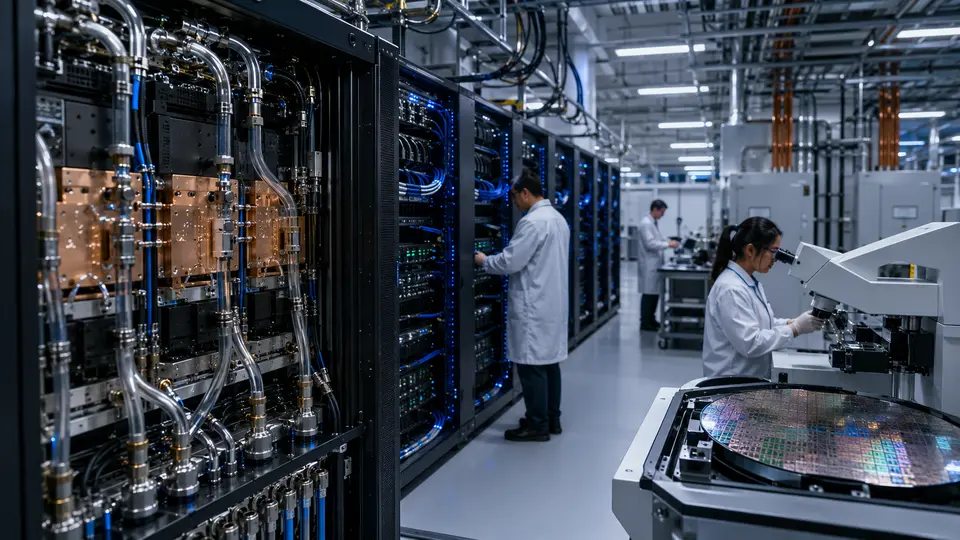
AI depends on processors, memory, networks, data centres, energy and cooling. We study how these layers can become more efficient, resilient, accessible and suitable for different jurisdictions.
 Conceptual visual
Data quality, provenance, retrieval, identity and durable memory determine what an intelligent system knows, what it may do and whether its actions can be understood later.
 Conceptual visual
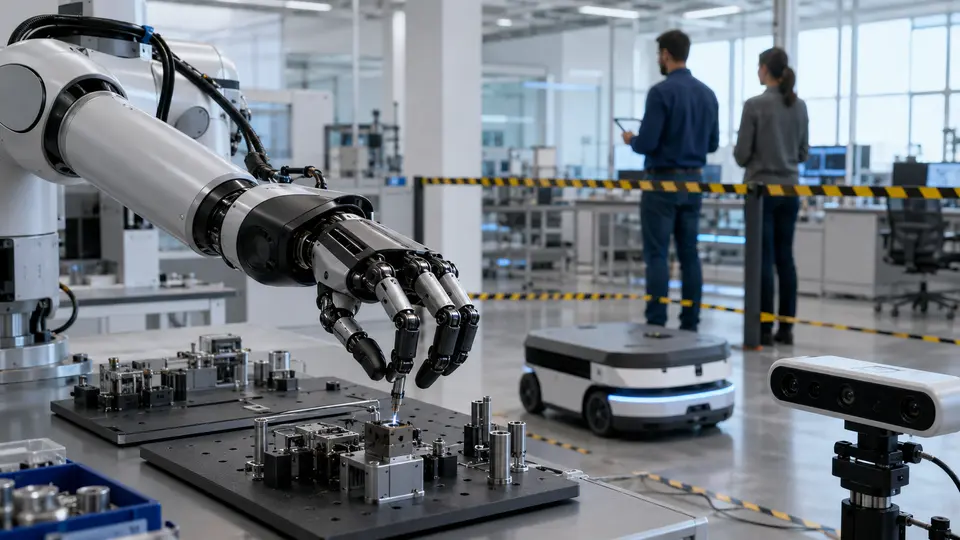
Robotics brings models into contact with people, workplaces and unpredictable environments. Progress depends on sensing, manipulation, control, safety and the ability to learn from reality.
 Conceptual visual
On-device intelligence, sensor fusion and spatial models connect digital systems with buildings, cities, landscapes and the changing Earth.
 Conceptual visual
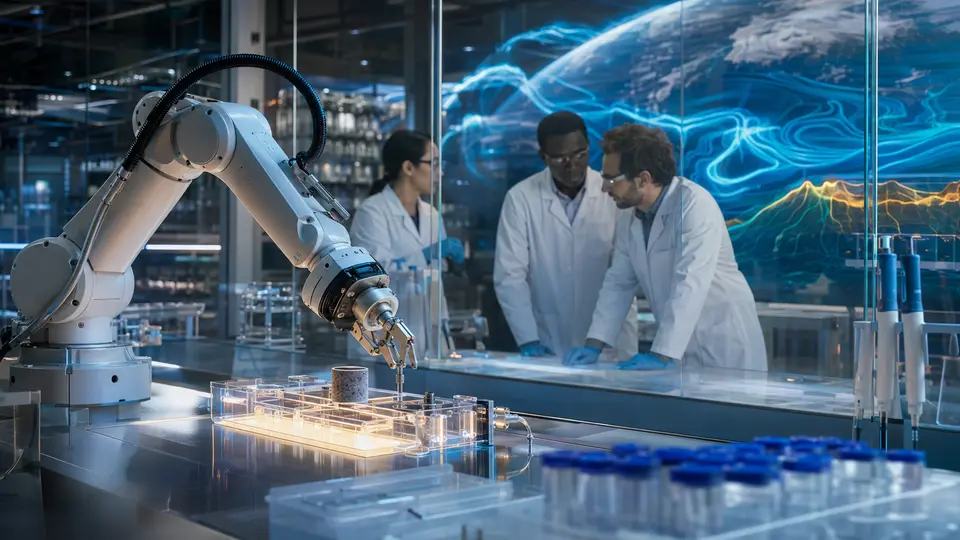
AI is becoming a research instrument across mathematics, materials, chemistry, engineering and Earth systems. The opportunity is to improve discovery without weakening scientific verification.
 Conceptual visual
From biological models and discovery to clinical support, assistive technology and healthy ageing, these fields require strong evidence, privacy and continuing human responsibility.
 Conceptual visual
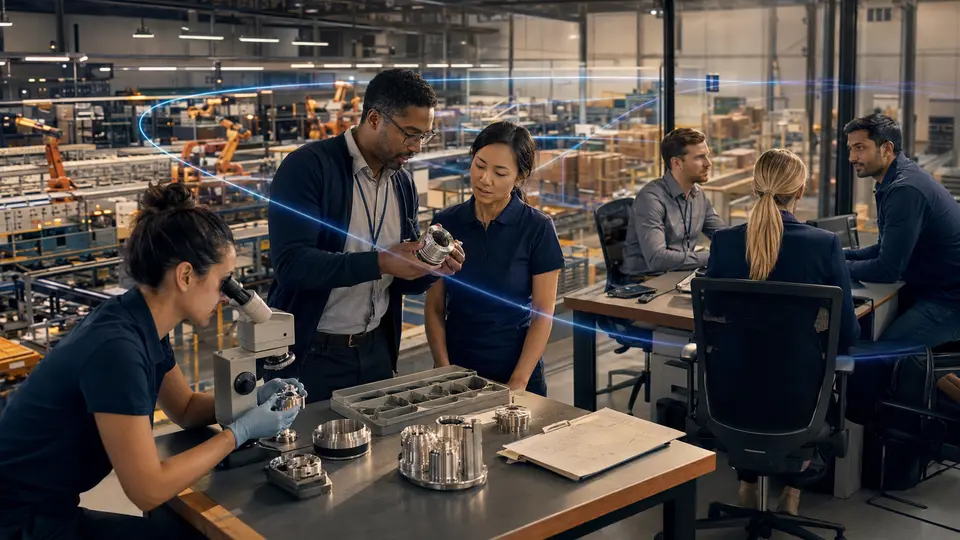
The next generation of work will connect software agents, people, production systems and institutional knowledge rather than simply add a chatbot to an existing process.
 Conceptual visual
AI can personalise learning, support research, translate across cultures and expand creative production—but only when authorship, access, provenance and human agency remain visible.
 Conceptual visual
As software becomes more autonomous, identity, permission, payments, fraud controls, audit and machine-readable commercial rules become part of the technical infrastructure.
 Conceptual visual
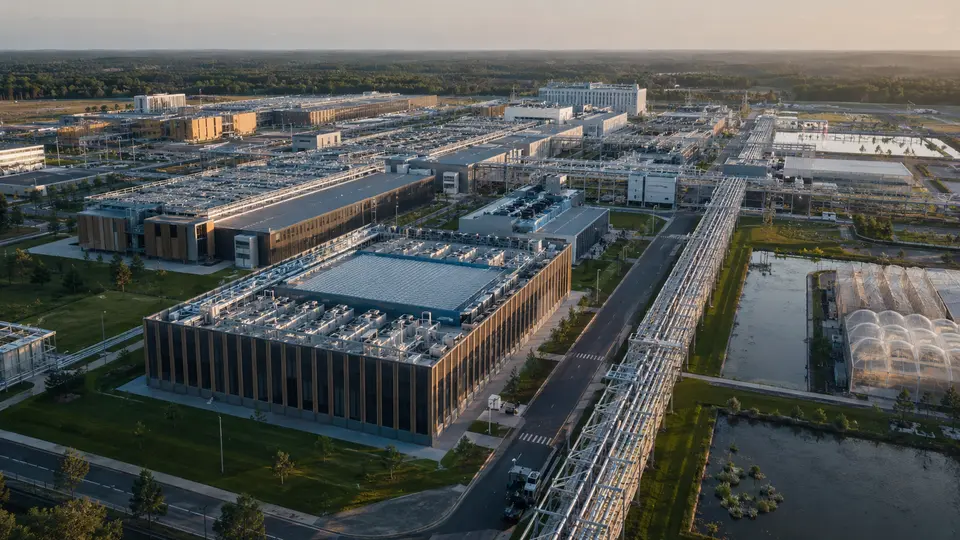
Public services, critical infrastructure and high-impact AI require testing, standards, security, rights protection, inclusive access and institutions able to remain accountable.
Applied Technology & Future Systems
This deeper layer extends the AI Build Atlas with practical system forms, enabling technologies and a qualitative view of how each field may evolve.
The systems below describe industries FUURAA may research, build, integrate, support, invest in or enter through future strategic development. Inclusion does not identify a current FUURAA product, ownership position, partnership or transaction.
A qualitative map—not a fixed timetable, market forecast or product promise.
The silicon, memory, networks and physical systems that turn intelligence into dependable capacity.
 Conceptual visual
Purpose-built processors turn AI workloads into scalable, energy-aware computing infrastructure.
Accelerators support model training, inference and domain-specific AI services across cloud and edge systems.
Heterogeneous processors will be orchestrated as shared compute pools optimised for workload, latency and energy.
Compute may become increasingly specialised, modular and co-designed with models, memory and networks.
 Conceptual visual
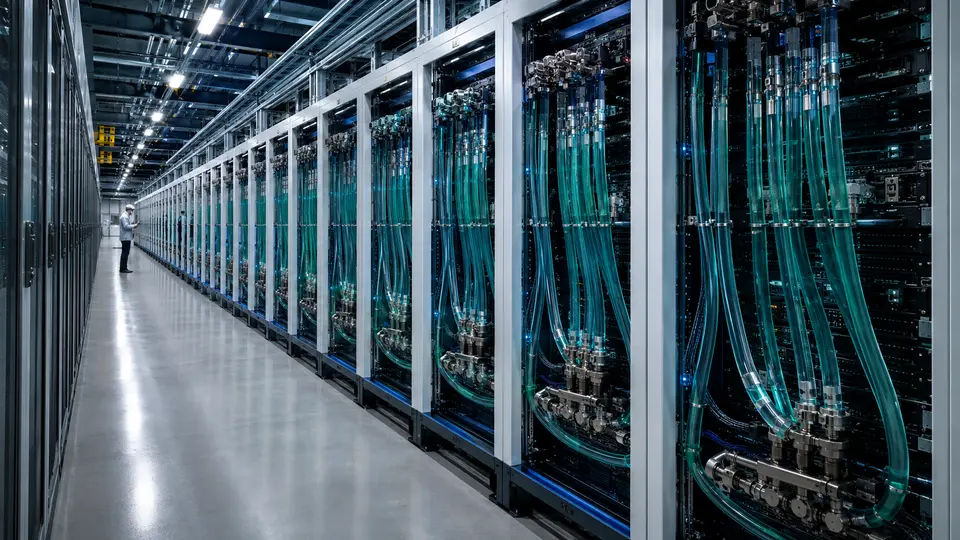
Cluster architecture converts individual accelerators into dependable infrastructure for large-scale AI.
Organisations deploy specialised clusters for foundation-model training, inference and scientific computing.
Modular clusters will improve utilisation, maintenance and deployment across public, sovereign and private clouds.
AI compute campuses may jointly optimise power, cooling, networking and workloads as adaptive cyber-physical systems.
 Conceptual visual
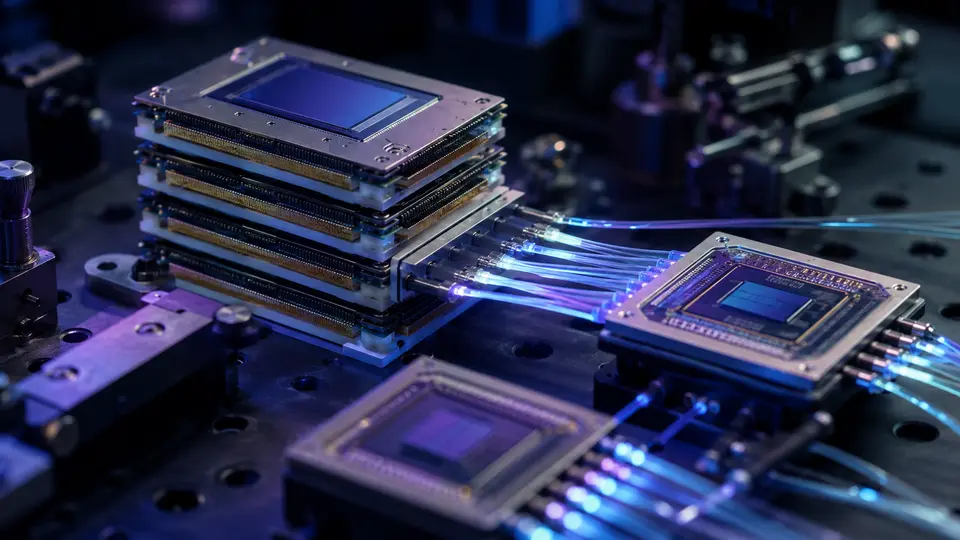
Memory bandwidth and interconnect efficiency determine how effectively large AI systems can use compute.
High-speed fabrics reduce communication bottlenecks in distributed training and high-throughput inference.
Memory pooling and composable infrastructure will allow capacity to be allocated more dynamically.
Optical links and memory-centric architectures may reshape the boundary between processor, storage and network.
 Conceptual visual
Local intelligence improves latency, privacy, resilience and access when cloud connectivity is limited.
Devices run speech, vision, translation, accessibility and personal-assistance functions locally.
Hybrid edge-cloud systems will route tasks according to privacy, cost, connectivity and performance.
Ambient AI may become continuously available across wearables, vehicles, homes and workplaces while preserving user control.
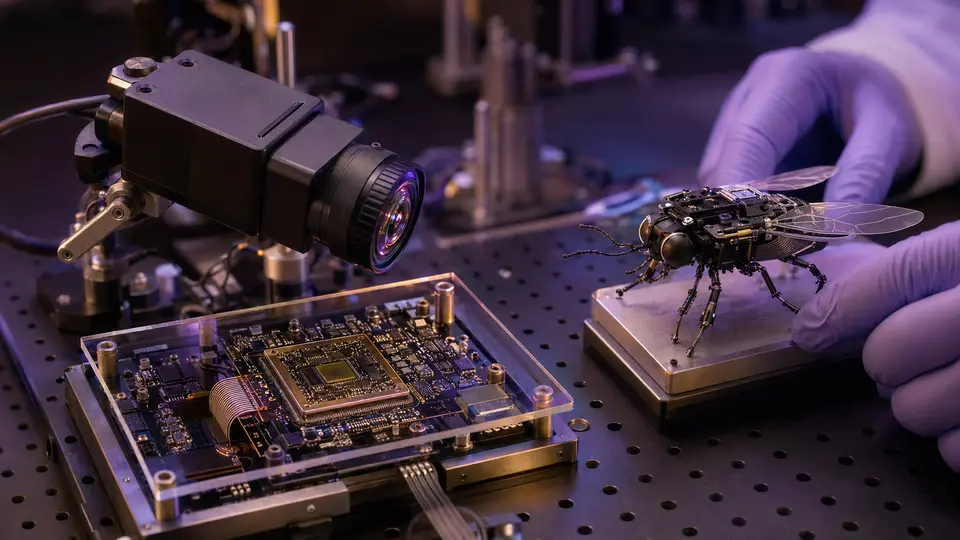 Conceptual visual
Event-driven computing explores adaptive, energy-efficient ways to process sensory and temporal information.
Research systems demonstrate low-power pattern recognition, sensing and robotic control in constrained environments.
Toolchains, benchmarks and hybrid integration will determine where neuromorphic systems offer practical advantage.
Brain-inspired architectures may enable persistent, adaptive intelligence at the edge without continuous cloud dependence.
The toolchains, data engines and operating layers required to build, deploy and govern AI at scale.
 Conceptual visual
Open and reliable software layers turn new AI methods into reproducible, deployable systems.
Frameworks support research prototyping, production training and deployment across diverse hardware.
Compilers will automate more performance tuning while improving portability, observability and verification.
AI software stacks may co-optimise algorithms, models and hardware from a unified specification.
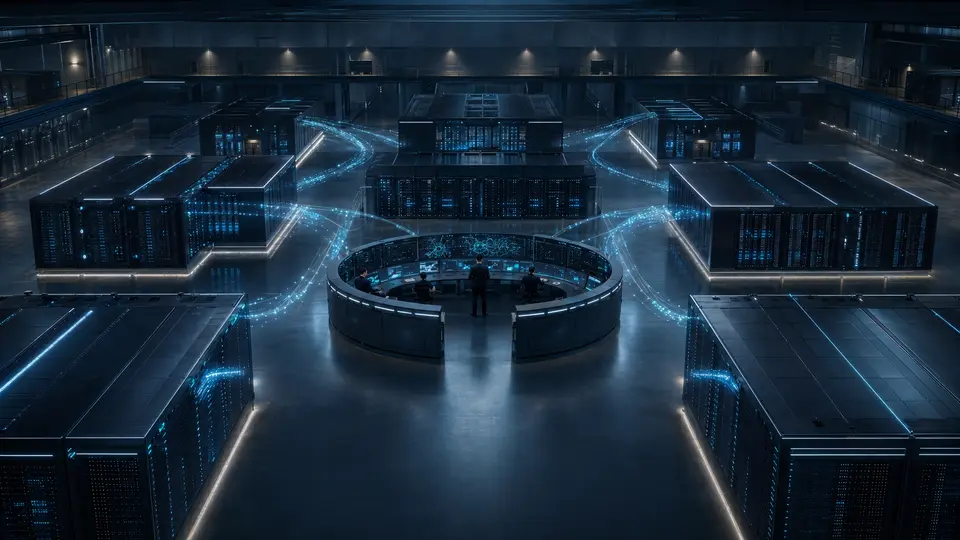 Conceptual visual
Efficient parallelism makes large models and high-volume AI services technically and economically viable.
Parallel systems train large models and serve many concurrent requests with controlled latency.
Workload-aware schedulers will dynamically balance quality, cost, energy and service-level requirements.
Training and inference may converge into continuously improving distributed intelligence with strong governance.
 Conceptual visual
Grounding models in governed knowledge improves relevance, traceability and organisational usefulness.
Retrieval systems connect language models to approved documents, databases and live information sources.
Enterprise systems will improve provenance, permission-aware retrieval, freshness and evaluation.
Knowledge systems may evolve into temporal, multimodal and continuously verified organisational memory.
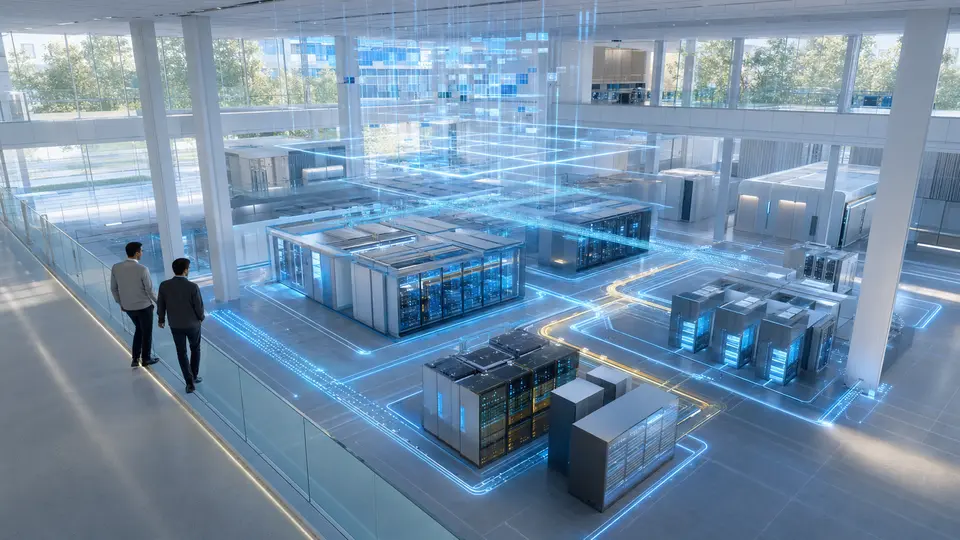 Conceptual visual
A unified control plane makes heterogeneous AI infrastructure observable, governable and efficient.
Operations platforms manage training jobs, model registries, deployments, monitoring and access policies.
Policy-aware orchestration will allocate compute across locations and providers according to risk and business priorities.
AI infrastructure may become increasingly autonomous in optimisation while remaining auditable and human-governed.
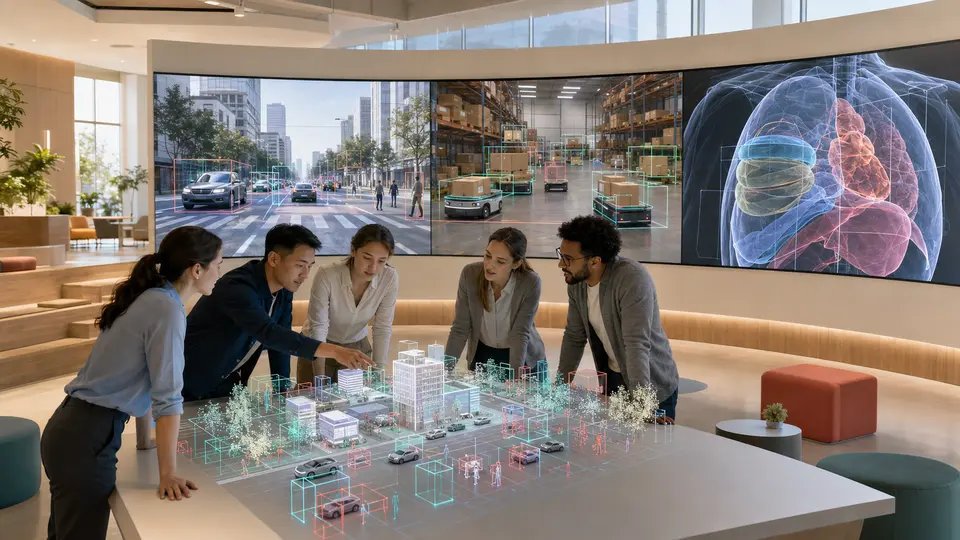 Conceptual visual
Carefully governed synthetic and labelled data can expand coverage while reducing dependence on sensitive records.
Synthetic data supplements scarce, hazardous or privacy-sensitive examples in vision, language and robotics.
Validation frameworks will better measure realism, utility, privacy leakage and representational bias.
Closed-loop data engines may continuously generate, test and refine difficult scenarios under explicit governance.
Responsible-use boundary: Synthetic data still requires validation against representative real-world evidence and must not conceal privacy or bias risks.
Explore this technology →Reusable intelligence systems that reason, create, engineer and coordinate work across organisations.
 Conceptual visual
General language and reasoning systems provide a reusable intelligence layer across knowledge-intensive tasks.
Models support drafting, coding, analysis, translation and structured assistance with varying reliability.
Domain adaptation, verifiable reasoning and efficient deployment will broaden responsible organisational use.
Reasoning systems may coordinate specialised models, tools and evidence while explicitly communicating uncertainty.
Responsible-use boundary: Model outputs require verification in consequential settings; fluency is not evidence of accuracy or professional authority.
Explore this technology → Conceptual visual
Unified generation across media expands how people design, communicate, simulate and create.
Generative systems assist creative iteration, visualisation, localisation, prototyping and media production.
Greater controllability, provenance and rights management will support professional workflows.
Multimodal systems may generate interactive, physically consistent environments for design, learning and simulation.
Responsible-use boundary: Professional use requires clear provenance, rights management, consent and safeguards against deceptive synthetic media.
Explore this technology →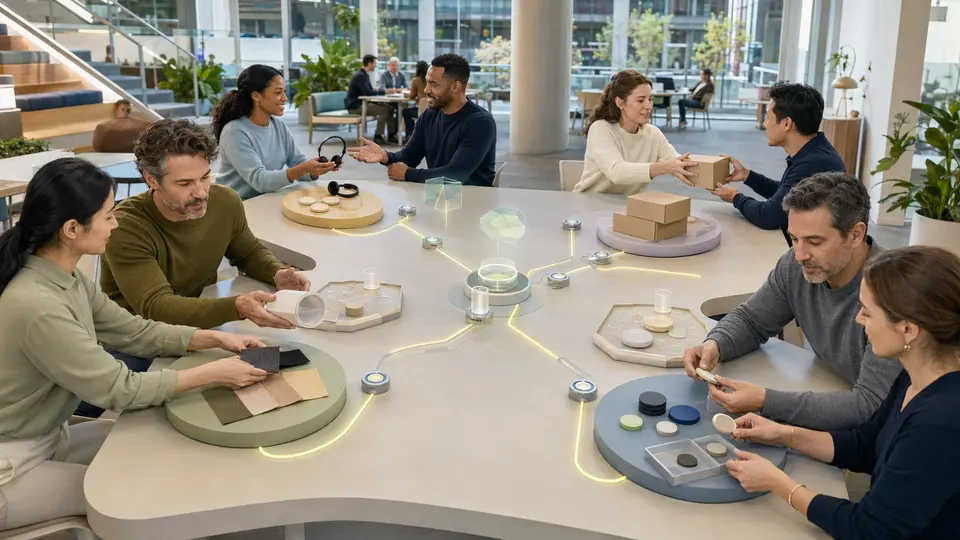 Conceptual visual
Agents coordinate tools, data and people to execute bounded multi-step work under oversight.
Agents automate constrained workflows where actions, permissions and escalation paths are defined.
Standard interfaces, stronger evaluation and policy-aware orchestration will improve organisational reliability.
Networks of accountable agents may coordinate complex services while preserving human authority and institutional control.
Responsible-use boundary: Autonomous actions should remain permissioned, observable, reversible where possible and subject to human escalation.
Explore this technology →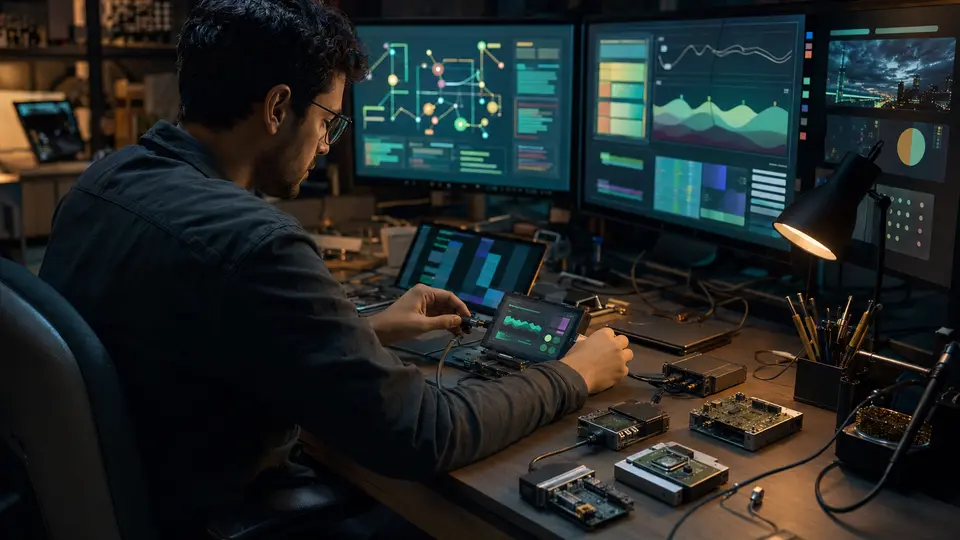 Conceptual visual
AI-assisted engineering shortens the path from specification to tested, maintainable software.
Engineering assistants help generate, explain, test and refactor code under developer supervision.
Specification-driven agents will connect design, implementation, quality assurance and deployment with stronger controls.
Digital engineering environments may continuously model system intent, behaviour, security and operational evidence.
Responsible-use boundary: Generated code still requires testing, security review, licence checks and accountable engineering ownership.
Explore this technology → Conceptual visual
Governed enterprise intelligence turns fragmented data into explainable operational and customer insight.
Systems summarise records, surface trends and assist staff while preserving source links and access restrictions.
Real-time, multimodal insights will connect business processes with governed human decision workflows.
Enterprises may develop continuously updated institutional memory accountable to data owners and policy.
Responsible-use boundary: Customer and workforce data must remain purpose-limited, permissioned and protected from discriminatory profiling.
Explore this technology →AI that perceives, moves and acts safely across robots, vehicles and industrial environments.
 Conceptual visual
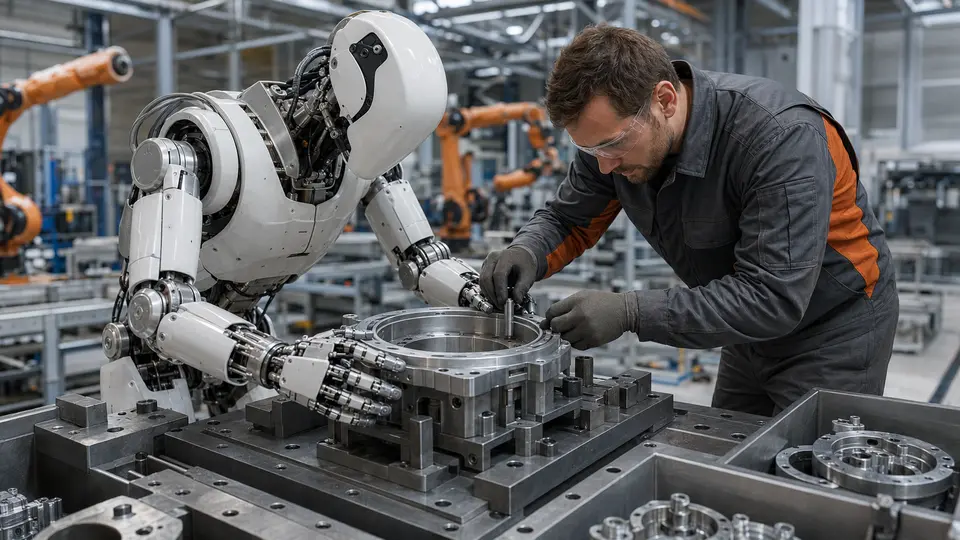
Embodied AI connects perception, reasoning and action to assist people in physical environments.
Robots perform structured inspection, handling, logistics and research tasks in controlled settings.
Better manipulation, teleoperation, validation and human-aware safety will expand useful deployment.
General-purpose embodied systems may collaborate with people across changing environments under rigorous safety and labour governance.
Responsible-use boundary: Physical deployment requires validated safety envelopes, emergency controls and clear human and organisational accountability.
Explore this technology →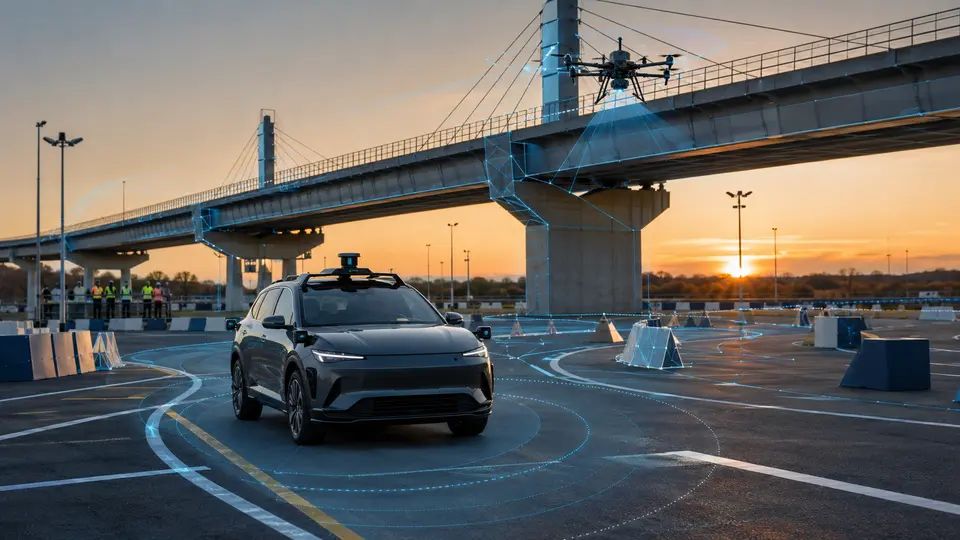 Conceptual visual
Autonomous perception and planning can improve transport, inspection and remote operations within validated limits.
Autonomy operates in defined routes, airspaces and operational design domains with human and regulatory oversight.
Better verification, infrastructure integration and fleet learning will expand bounded operational coverage.
Coordinated autonomous fleets may support mobility, logistics and disaster response while maintaining accountable control.
Responsible-use boundary: Deployment must remain inside validated operational domains and comply with transport, aviation and public-safety rules.
Explore this technology →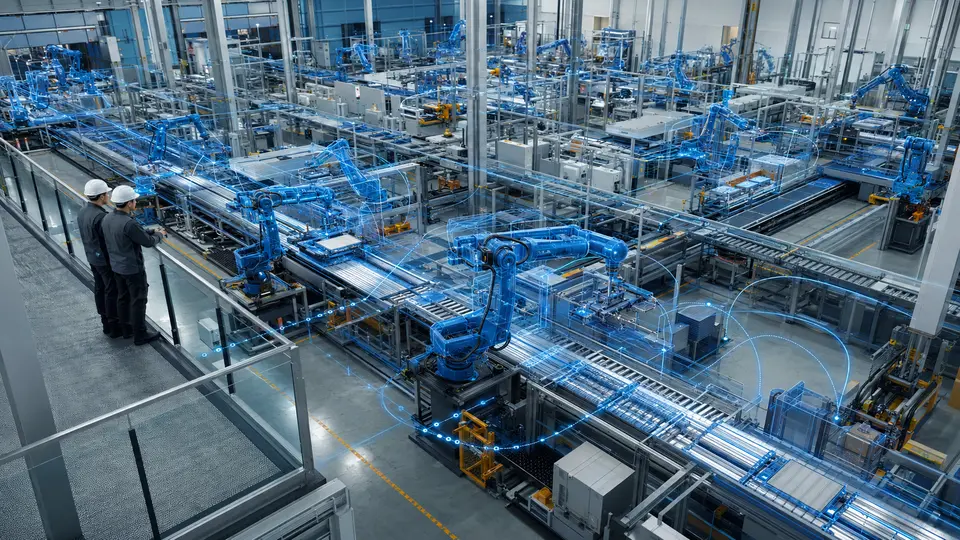 Conceptual visual
Industrial AI links data, simulation and operations to improve quality, resilience and resource efficiency.
Manufacturers use AI for inspection, maintenance, scheduling, energy management and operator assistance.
Closed-loop digital twins will connect design, production, supply chains and maintenance under human governance.
Adaptive factories may reconfigure processes around changing demand while continuously validating safety and quality.
Responsible-use boundary: Safety-critical control changes require validated engineering procedures and accountable human oversight.
Explore this technology →High-impact decision-support systems where evidence, professional accountability and public safeguards are essential.
 Conceptual visual
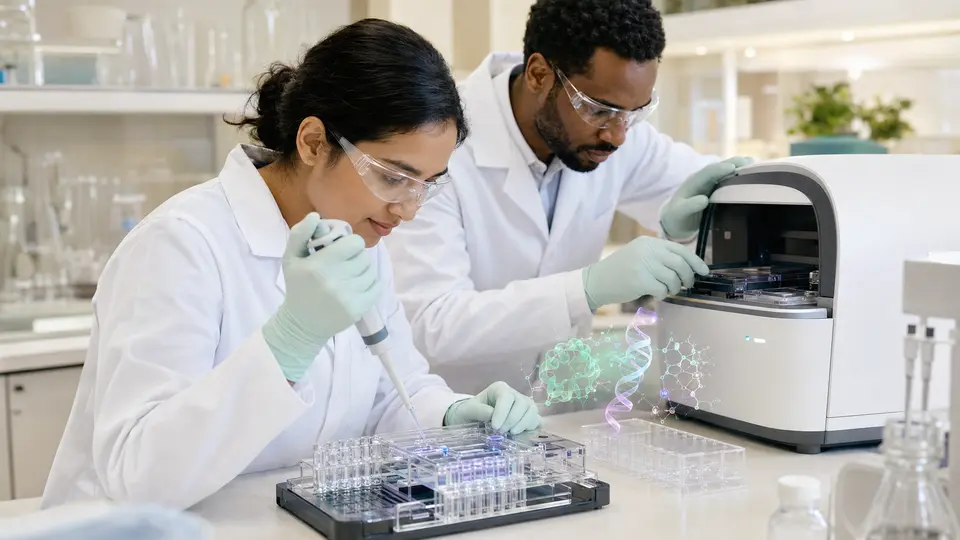
Computational intelligence can accelerate research and support precise biomedical decisions without replacing clinical responsibility.
AI supports target discovery, experimental prioritisation and genomic interpretation under expert review.
Prospective validation, representative data and regulated workflows will determine responsible clinical translation.
Integrated models may connect molecules, cells, patients and populations while remaining evidence-based and clinician-led.
Responsible-use boundary: Research tools do not provide medical diagnosis or treatment; clinical decisions remain with qualified professionals under applicable regulation.
Explore this technology →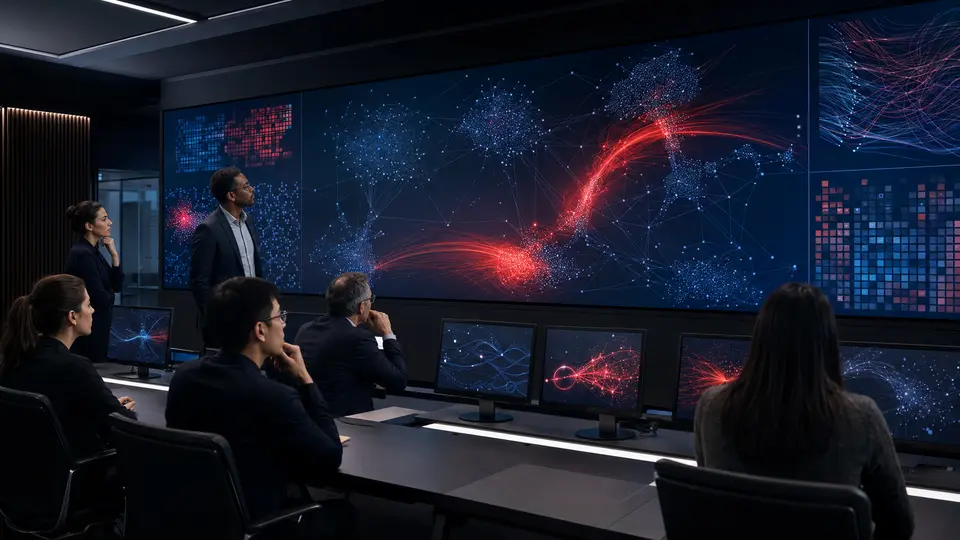 Conceptual visual
AI can assist market analysis, surveillance and risk detection while financial accountability remains institutional.
Institutions use AI to support execution, compliance, scenario analysis and human-reviewed risk monitoring.
Explainability, audit trails and cross-market monitoring will become central to controlled adoption.
Real-time systemic-risk networks may improve early warning when transparent to regulators and accountable decision-makers.
Responsible-use boundary: This field is described for research and market understanding, not as financial advice or an offer of trading services.
Explore this technology → Conceptual visual
AI can improve access, consistency and document analysis without replacing legal judgment or judicial authority.
Systems help professionals search, summarise, compare and flag issues for qualified review.
Jurisdiction-aware models and verifiable citations will improve controlled use in complex workflows.
Public legal infrastructure may widen access while preserving contestability, equality and human adjudication.
Responsible-use boundary: AI output is not legal advice and must not replace due process, qualified legal judgment or judicial authority.
Explore this technology →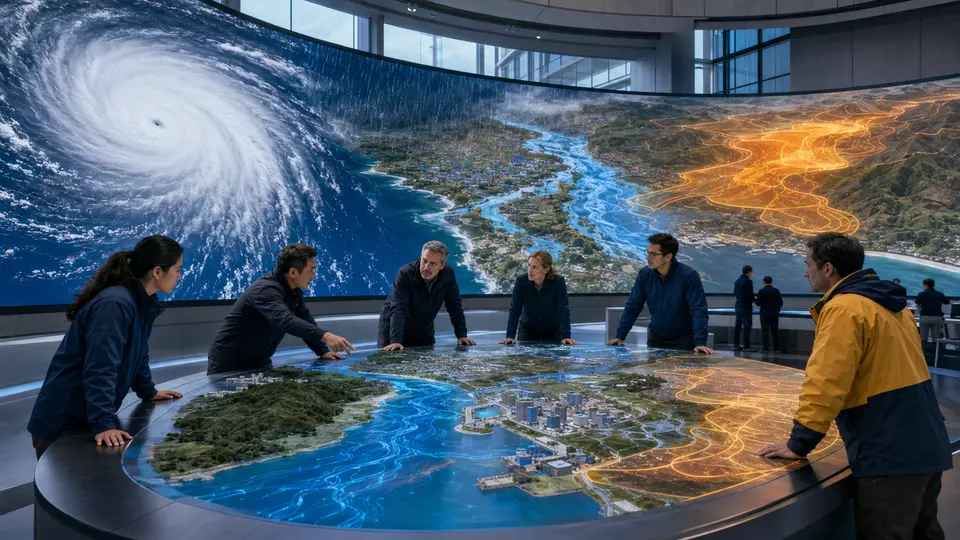 Conceptual visual
AI-enhanced forecasting can improve preparedness and scenario analysis across environmental risks.
AI complements numerical forecasting and helps analyse hazards across multiple time and spatial scales.
Hybrid models and denser observations will improve local forecasts, uncertainty communication and response planning.
Coupled Earth-system intelligence may support continuous global-to-local risk awareness under public scientific governance.
Responsible-use boundary: Official warnings and emergency decisions remain with authorised public agencies; model uncertainty must be communicated.
Explore this technology →Applied intelligence for essential systems, human capability and the expansion of scientific knowledge.
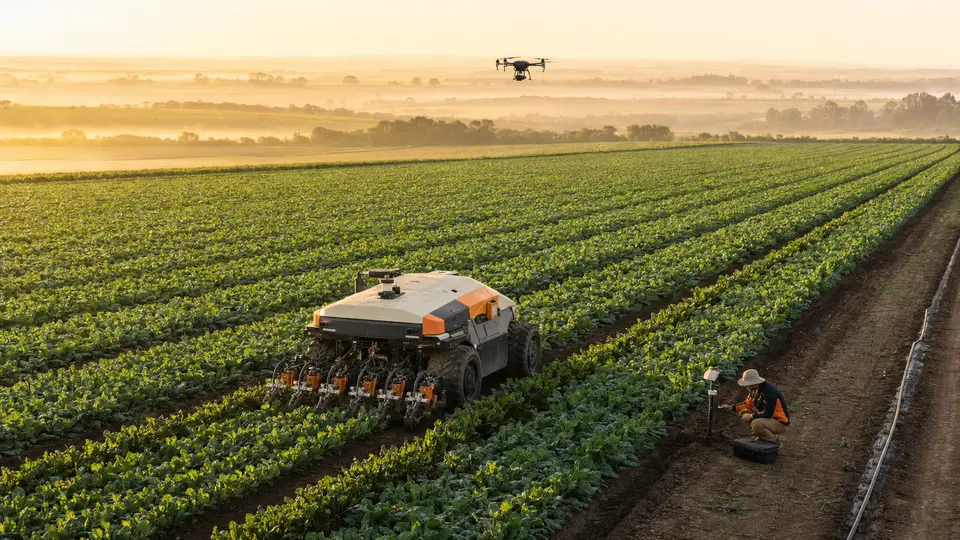 Conceptual visual
Agricultural intelligence can help produce more food with better use of land, water, labour and inputs.
Farms use AI for scouting, irrigation, input optimisation, harvesting and equipment assistance.
Affordable edge systems and local data services will broaden access across diverse farm sizes and regions.
Coordinated autonomous agriculture may adapt continuously to climate, ecology and food-system constraints.
Responsible-use boundary: Agricultural deployment should protect worker safety, biodiversity, data rights and local farming knowledge.
Explore this technology →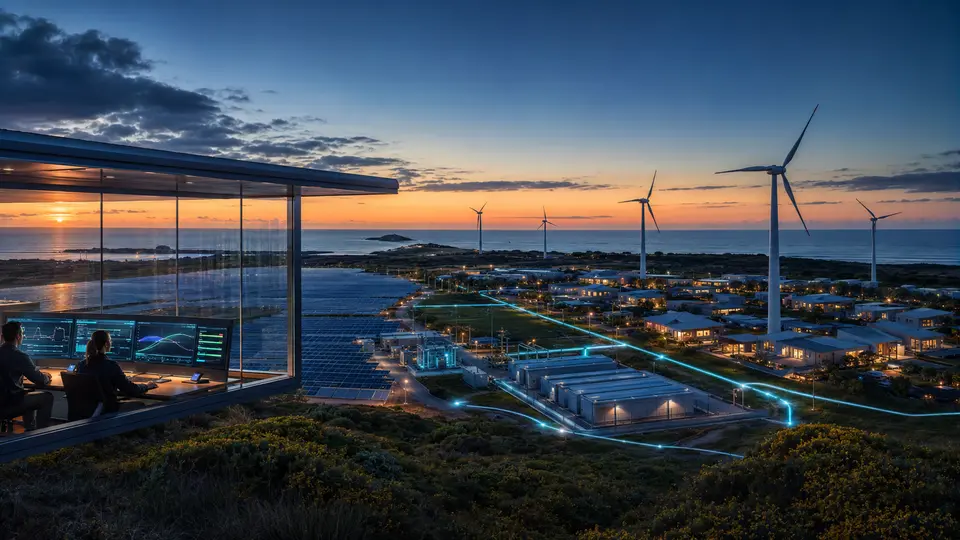 Conceptual visual
Intelligent coordination helps balance variable renewable supply, storage, demand and grid reliability.
Utilities and sites use AI to forecast demand, schedule storage and manage distributed energy resources.
Interoperable control and market mechanisms will connect buildings, vehicles, storage and local generation.
Resilient energy networks may self-balance across regions while remaining subject to grid codes and human operators.
Responsible-use boundary: Grid operations remain safety-critical and subject to system operators, engineering standards and energy regulation.
Explore this technology → Conceptual visual
Personalised assistance can widen access to explanation, practice and feedback while teachers retain responsibility.
Systems provide guided practice, explanation, translation and teacher-supported feedback.
Curriculum alignment, evidence-based evaluation and teacher dashboards will support safer institutional use.
Lifelong learning companions may adapt across skills and life stages while protecting autonomy and educational equity.
Responsible-use boundary: Educational AI should support rather than displace teachers, protect minors and avoid opaque high-stakes assessment.
Explore this technology →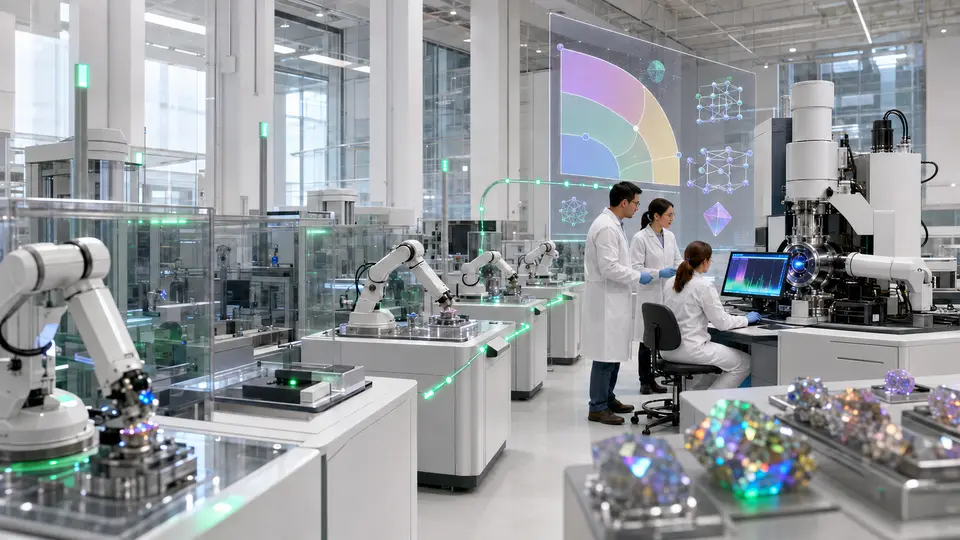 Conceptual visual
AI can accelerate hypothesis generation, simulation and experimental design across foundational sciences.
Researchers use AI to screen candidates, approximate complex simulations and propose testable structures.
Laboratory automation and provenance systems will connect predictions to reproducible experiments.
Human–AI scientific teams may explore larger hypothesis spaces while preserving peer review and research integrity.
Responsible-use boundary: AI-generated hypotheses remain subject to reproducible experiments, peer review and transparent research provenance.
Explore this technology →Safety, understanding and long-horizon interfaces that define the responsible limits of advanced AI.
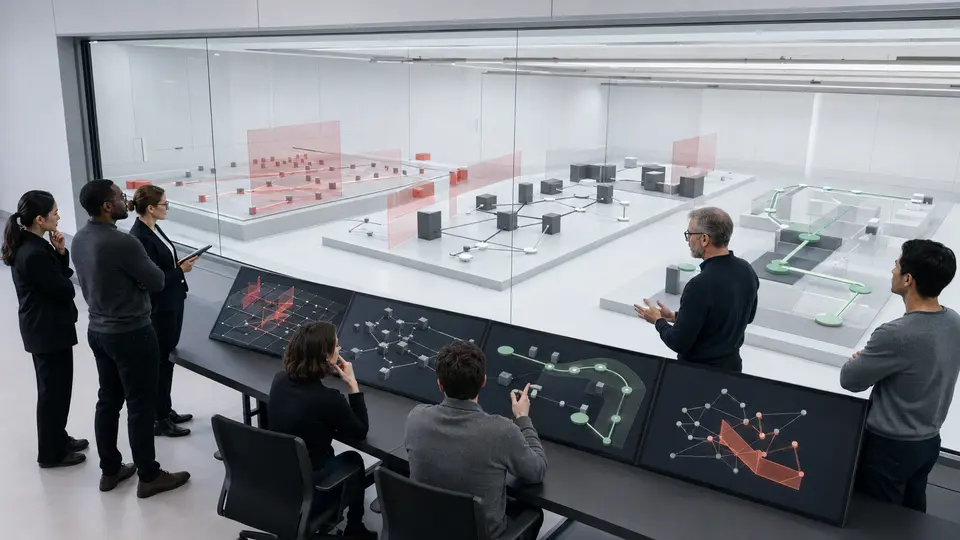 Conceptual visual
Technical safeguards and institutional governance are essential for AI systems that affect public life.
Organisations apply safety testing, access controls, monitoring and human escalation around deployed models.
Shared evaluations, assurance cases and risk-tiered controls will improve comparability and accountability.
Governance may evolve into continuous, cross-border assurance for increasingly capable and interconnected AI.
Responsible-use boundary: No single technical control is sufficient; safeguards require layered engineering, governance and independent scrutiny.
Explore this technology →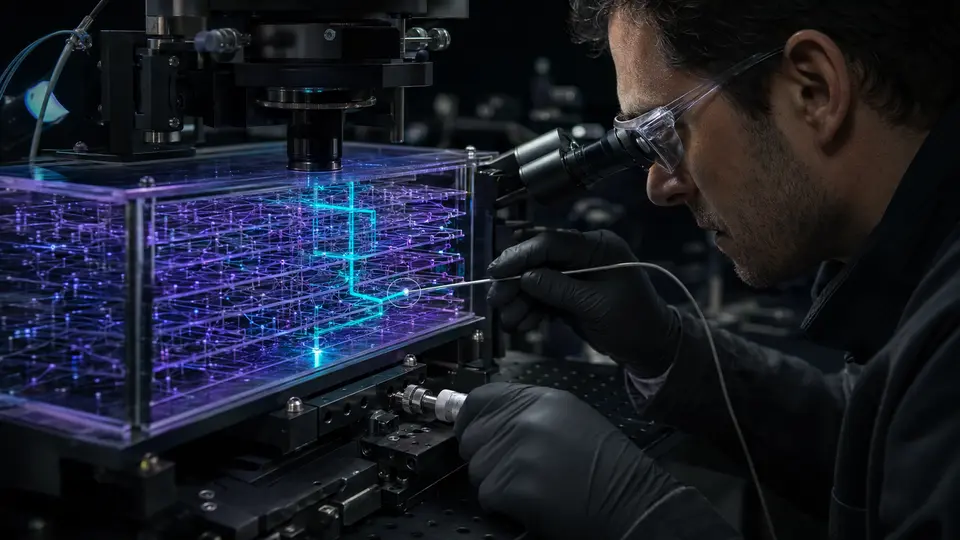 Conceptual visual
Understanding internal mechanisms can strengthen diagnosis, safety testing and evidence about model behaviour.
Researchers identify patterns, representations and failure modes in selected models, but explanations remain incomplete.
Automated interpretability and standardised forensic methods will support more repeatable safety evidence.
Mechanistic understanding may become an engineering discipline for verifying advanced systems without assuming full transparency.
Responsible-use boundary: Interpretability findings are partial evidence and should not be presented as a complete explanation or guarantee of safety.
Explore this technology →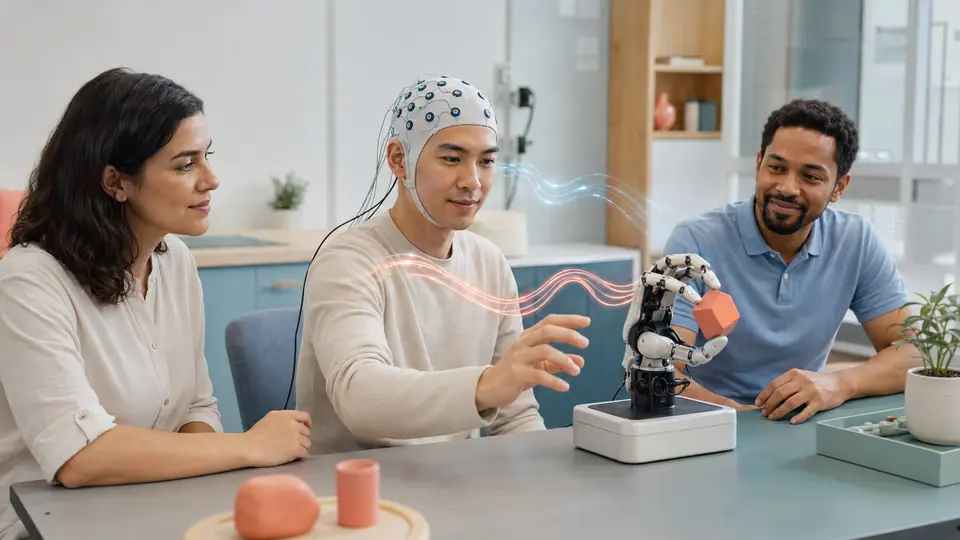 Conceptual visual
Neural interfaces may restore communication and control or create new assistive channels under rigorous oversight.
Clinical research supports selected communication, movement and rehabilitation applications under specialist care.
Long-term safety, signal stability, informed consent and equitable access will shape responsible translation.
Bidirectional interfaces may enrich assistive interaction while requiring strong protection of mental privacy and autonomy.
Responsible-use boundary: Clinical use requires medical regulation, specialist oversight, informed consent and exceptional protection of neural data.
Explore this technology →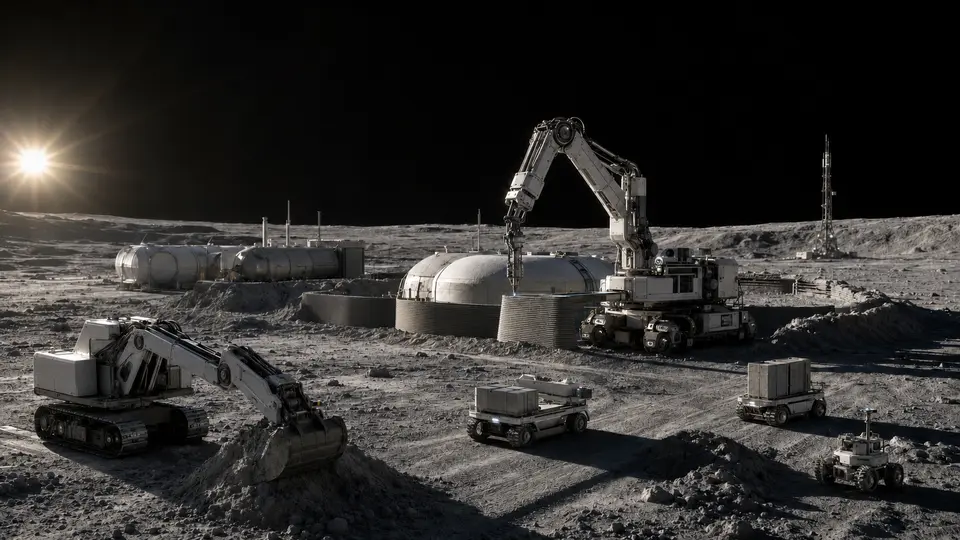 Conceptual visual
Autonomous systems are essential when distance, communication delay and environmental risk prevent continuous control.
Space robotics perform navigation, sampling, inspection and limited autonomous science under mission control.
Multi-robot systems may prepare infrastructure, map resources and support sustained lunar or planetary operations.
Resilient robotic swarms may construct and maintain remote habitats before human arrival under strict mission constraints.
Responsible-use boundary: Far-frontier concepts are research directions, not deployment commitments, and remain subject to space law and mission safety.
Explore this technology →Cross-cutting foundations
Every field in the atlas depends on common infrastructure, governance and human institutions. These foundations connect software to hardware and research to deployment.
Efficient, resilient and appropriately located capacity.
Quality, consent, provenance and lifecycle governance.
Knowing which person, organisation or agent is acting.
Useful continuity without uncontrolled retention.
Protection across models, tools, devices and people.
Open interfaces that reduce ecosystem lock-in.
Power, cooling and resource-aware intelligence.
Shared methods for testing, reporting and accountability.
Meaningful review where impact or uncertainty is high.
Evidence that a system works beyond a demonstration.
Where systems may be applied
These sectors are contexts for research, development and possible collaboration. Their inclusion does not mean FUURAA currently operates in each market.
How FUURAA may participate
The right path depends on technical maturity, public value, strategic fit, governance and the capabilities already present in the global ecosystem.
FUURAA may design and operate selected software, hardware or infrastructure where it has a clear long-term role.
Research institutions, technology companies and domain specialists may bring complementary capabilities into a shared programme.
Existing models, tools, devices and platforms may be connected into dependable end-to-end systems.
Standards, shared resources, events and interoperable infrastructure can help an entire field progress.
FUURAA may study or support companies whose technologies strengthen the wider AI ecosystem.
Future participation may include strategic investment, joint ventures or acquisitions, subject to separate review and announcement.
From evidence to reality
Eight long-horizon research domains and the questions shaping AI civilisation.
Explore →Technology radarA current-source watch across models, agents, robotics, science, chips, safety and products.
Explore →Frontier libraryA bilingual library of observed developments, emerging signals and clearly labelled forecasts.
Explore →Source networkA structured discovery layer for research institutions, standards bodies and public-interest sources.
Explore →Scope of What We Build
This section maps technology and application domains relevant to FUURAA’s long-term mission. Inclusion does not mean that FUURAA currently offers, owns, develops, finances or endorses every area listed, nor that a partnership, investment, acquisition or transaction exists.
References to external technologies, organisations or markets are for research, context and ecosystem mapping only. Any confirmed product, partnership or transaction will be identified separately. Future initiatives remain subject to technical validation, governance review, applicable regulation, resource allocation and formal public announcement.
Build with FUURAA
We welcome serious conversations with researchers, engineers, institutions, technology companies and long-term partners.