

AI infrastructure, energy and compute

FUURAA AI Evidence Atlas · Evidence dossier 05

How can AI capability grow without making energy, grid capacity, water, chips and geographic concentration invisible externalities?

AI growth is now inseparable from electricity systems, data-centre geography, cooling, chips, networks and capital allocation. Efficiency and flexible compute can reduce some constraints, yet rebound effects, local grid bottlenecks and supply concentration make the net outcome uncertain.

Current evidence position
Developing
Related research field
Physical infrastructure
Last reviewed
Record version
1.0
01

Why this question matters

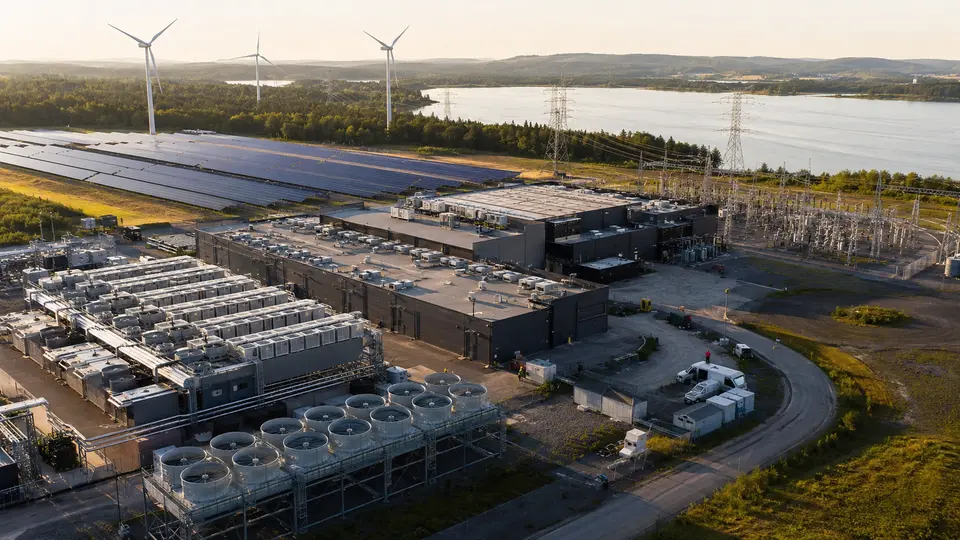
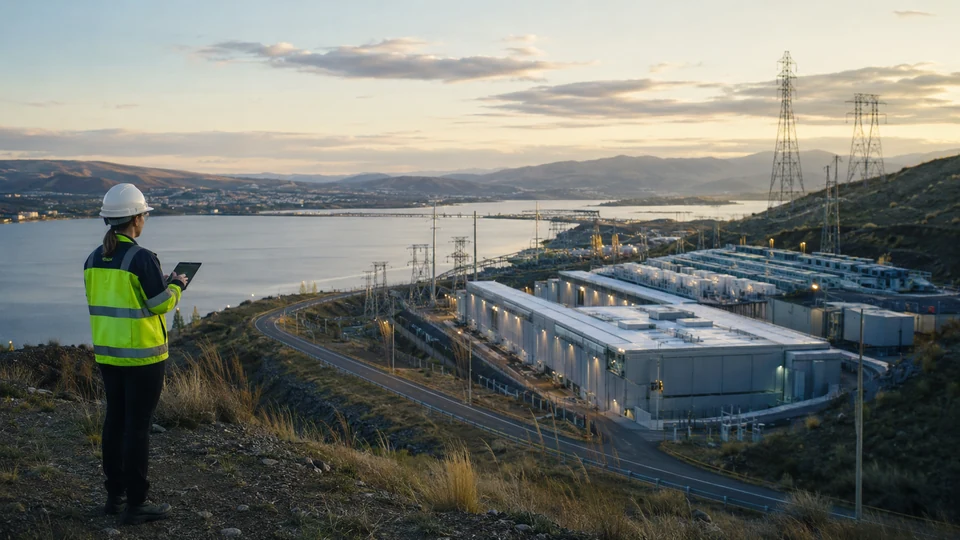
Every model service has a physical operating system beneath it. Infrastructure choices determine cost, resilience, emissions, access and which regions can participate. Treating compute as an abstract cloud resource hides strategic dependencies and local consequences.
02

Scope and disclosure boundary

This dossier examines electricity demand, grid integration, data-centre clustering, efficiency, flexible workloads, chips, networks and supply-chain concentration. It does not publish a single universal footprint number because impacts vary by model, location, time and energy mix.

03

Current evidence position

The direction is visible, but the evidence base, operating history or independent validation remains incomplete.

This evidence dossier synthesises public records. It is not investment, medical, legal or safety certification advice, and it does not claim that FUURAA has completed the systems discussed.

Claim-to-evidence map

The dossier preserves support, tension and uncertainty together.

01

What the current record supports

  • Data-centre electricity demand is growing and increasingly material to grid planning in several regions.
  • Local concentration matters: a manageable global share can still create severe regional capacity and connection constraints.
  • Efficiency improvements can reduce energy per task, while lower cost and higher demand may increase total use.
  • Schedulable workloads and co-optimisation can make compute a more flexible grid participant in suitable settings.
02

Where evidence or interpretation diverges

  • Faster chips and models improve efficiency while accelerating the scale and frequency of AI use.
  • Low-carbon power procurement can support clean generation, but contractual claims may not match hourly local system impact.
  • Large clusters can improve economics and research capacity while concentrating supply, security and community risk.
03

What remains unknown

  • How quickly will inference demand, agentic workloads and embodied systems change the balance between training and serving?
  • Which efficiency gains will reduce total resource use rather than being absorbed by higher demand?
  • How should infrastructure disclosures represent location, time, water, hardware lifecycle and avoided impact together?

Primary evidence records

Read the public records behind the current evidence position.

EV-05-01International Energy Agency · 2026-04-16

AI power demand is now an operating constraint

The IEA’s 2026 update treats electricity availability, grid timing and local concentration as central variables in AI expansion. Compute plans can no longer assume power arrives automatically.

FUURAA interpretation

Capacity strategy should model location, interconnection and energy delivery before hardware procurement.

EV-05-02International Energy Agency · 2026-04-16

Grid timelines may outlast chip cycles

AI hardware advances quickly, while transmission, generation and interconnection projects often take years. This mismatch can strand equipment plans or concentrate development in power-ready regions.

FUURAA interpretation

Long-term energy partnerships may be as strategic as short-term access to accelerators.

EV-05-03International Energy Agency · 2026-04-16

Data-centre clusters create local system risks

Global electricity totals can hide severe local pressure where facilities cluster. Network congestion, generation mix, water availability and community acceptance can determine project viability.

FUURAA interpretation

Infrastructure disclosure should be regional and site-specific, not only global.

EV-05-04International Energy Agency · 2026-04-16

Efficiency can increase total AI use

Cheaper and more efficient computation reduces the energy needed for each task but can also stimulate far more usage. System demand may rise even while unit efficiency improves.

FUURAA interpretation

Energy planning should model rebound effects rather than extrapolate per-query savings alone.

EV-05-05International Energy Agency · 2026-04-16

Flexible compute can become a grid resource

Some training and batch workloads can move across time or location more easily than conventional industrial demand. With safeguards, scheduling flexibility could help align compute with cleaner and less constrained electricity.

FUURAA interpretation

Future cloud contracts may value when and where computation runs, not only speed and price.

EV-05-06International Energy Agency · 2025-04-10

AI and energy form a two-way system

The IEA analyses both electricity required by AI and the use of AI to improve energy operations. Costs and benefits therefore belong in the same system view rather than separate debates.

FUURAA interpretation

Responsible strategy should count consumption, resilience and optimisation together.

Testable questions

Questions that can move the evidence position—not decorate the debate.

  1. Q1

    Can the operator report energy, carbon, water and hardware use at a decision-relevant temporal and geographic resolution?

  2. Q2

    Can flexible workloads reduce peak strain without degrading reliability, security or research validity?

  3. Q3

    Does a claimed efficiency improvement reduce lifecycle impact after demand growth and infrastructure expansion are included?

Decision relevance

What the record changes for research, engineering and institutions.

01

Strategy: treat energy, grid connection, chips, networking and location as core AI architecture decisions.

02

Engineering: optimise the complete workload and infrastructure system, not a model benchmark in isolation.

03

Disclosure: report boundaries, geography, time basis and uncertainty so footprint claims can be interpreted.

Revision record

A conclusion is a maintained record, not a permanent slogan.

Version 1.0 establishes the initial public synthesis. Future revisions will record changes in evidence position, sources, scope and unresolved questions. Earlier records are not silently erased.

Corrections, missing primary evidence and material counter-evidence can be submitted through the FUURAA contact route. Inclusion is subject to source verification and editorial review.
1.0
Initial public evidence synthesis

Continue through the Evidence Atlas

Evidence develops through connected questions.

06Mixed

Which forms of human–AI collaboration improve decision quality, capability and agency—and for whom?

01Developing

Under what conditions can an AI Agent preserve identity and useful memory without silently expanding authority or privacy risk?

00FUURAA AI Evidence Atlas

Return to the complete dossier directory.